
Football Goalkeeper Distribution and Defensive Depth: A Practical Review
Every football fan has watched a goalkeeper roll the ball to a centre-back and heard two completely different explanations for the same moment. One viewer calls it a waste of time. Another calls it the first pass of the attack. The replay does not settle the argument, because the real answer is not in the kick itself — it is in the defensive depth that follows it.
This review began with exactly that confusion. The goal was to find out whether the tactical material researched through nbajee helps a reader judge goalkeeper distribution and defensive depth with more precision, or whether it simply recycles popular phrases such as «building from the back.» After working through the content and comparing it to the needs of different readers, a clear picture emerged. Some parts genuinely help. Other parts are too vague to act on. The key is knowing which category you belong in before you spend time on any tactical deep-dive.
Why Most Distribution Breakdowns Miss the Point
Match reports treat a goalkeeper’s pass completion rate as if it were a complete summary of his ability. A keeper who completes 90 percent of his passes against a passive mid-block is not performing the same task as a keeper who completes 90 percent while being pressed by two forwards in his own six-yard box. The numbers look identical. The reality could not be more different.
The missing variable is usually defensive depth. When a team plays on the halfway line, the goalkeeper is effectively a spare centre-back who must be ready to rush out, sweep long balls, and release passes before the opponent’s press arrives. When the same team retreats into a low block, the goalkeeper becomes a shot-stopper first, a distributor second, and a long-ball launchpad at certain moments. Different phases, different responsibilities. A single passing statistic flattens all of this into one misleading figure.
This is why the research angle matters. Any serious breakdown of goalkeeper distribution must start with where the defence is positioned when the goalkeeper receives the ball — and where it moves immediately afterwards.
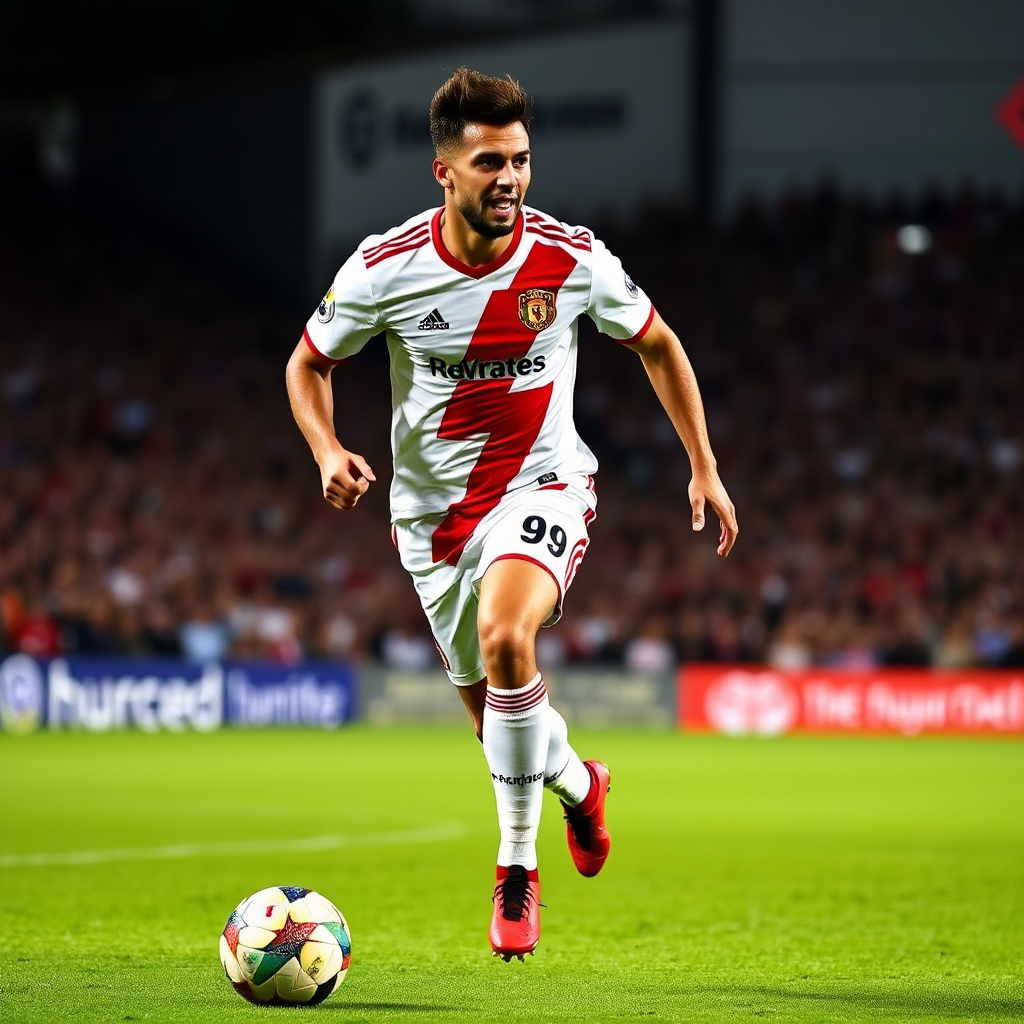
 Hình minh hoạ: nbajee
Five Findings That Shaped This Review
Several conclusions came out of comparing what the researched material claims with what a viewer can actually observe in a full match. These are the five most important.
- Distribution numbers are context-dependent, not absolute. A 75 percent long-ball success rate from a low block team under no pressure tells you little about how the same keeper would handle a high line against a top pressing side.
- Defensive depth defines the goalkeeper’s job more than any individual kick. A keeper asked to defend a deep box must deal with crosses and second balls. A keeper behind a high line must act as a sweeper. These are almost different positions.
- The pivot midfielder is the real organiser. The best distribution sequences are meaningless if nobody drops into the pocket to receive the next pass. The keeper may deliver the ball perfectly, but the team’s build-up collapses without midfield support.
- Cross-league comparisons are unfair without adjustment. A data point from La Liga, where most teams attempt to press high, cannot be compared directly with one from a league where mid-blocks dominate. The tactical environment changes the meaning of every pass.
- Time is an underrated factor. The same team will press aggressively at 0-0 in the twentieth minute and sit deeper at 2-0 in the seventieth. A good analysis will separate phases of the match rather than treating the keeper’s output as one stable value.

Distribution Quality and the Goalkeeper’s Starting Position
Detailed analysis of distribution only becomes useful when it respects the goalkeeper’s starting position. That position is rarely mentioned in mainstream coverage.
Short Distribution Is Not Automatically Progressive
A short pass to a fullback who is immediately closed down can be negative, even if it looks neat on a passing map. A short pass that drags the opposition’s central midfielder out of his position can be progressive even if it travels backwards. The difference is not the length of the pass; it is the opponent’s reaction in the following two seconds. Analysis that ignores this detail will consistently praise cautious passes that achieve nothing.
The researched material handles this reasonably well when it describes the role of the keeper as the «extra man» in the build-up. But it falls short when it relies on simple completion percentages. Asking whether the pass created a numerical advantage, forced an opponent to turn his back, or broke the first line of the press is far more revealing.
Long Distribution Works Only When the Line Holds
Long balls are often mocked, but in the right tactical frame they are a release valve, not a failure. When a team defends deep, the space behind the defenders is small, so the keeper can launch a ball into the final third without exposing the structure. When the line sits high, the same long kick leaves acres of space in behind. The away striker’s starting position then determines whether the kick is a smart option or a disaster waiting to happen.
This is one area where the reviewed content provides real value. It connects the keeper’s long distribution to the defensive line’s starting point, which is exactly the right way to think about it. The limitation is that it rarely gives the reader a practical way to measure «line height» without hours of video work.

The Defensive Depth Question That Decides Everything
Defensive depth is not a single setting. It shifts within a match, within a half, and sometimes within a single phase of play. Still, most teams fall into one of three general shapes.
High line. The defensive line sits near the halfway line, aiming to compress the pitch and force offside decisions. This requires a goalkeeper who is alert beyond the penalty area, comfortable sweeping through balls, and confident enough to start attacks from a high position. If the keeper decides to stay on his line, the entire system struggles: the gap between the keeper and the centre-backs becomes an invitation for opponents to run into.
Mid-block. The team takes a balanced position around the centre circle. The keeper gets more protection but must also deal with more crosses and long-range shots. Distribution becomes mixed: sometimes short, sometimes long, depending on whether the opponent’s first line of pressure can be broken.
Low block. The team retreats deep into its own half. The goalkeeper is closer to a traditional shot-stopper, but his kicking becomes the team’s main way of escaping pressure. The target striker becomes an essential partner; the keeper’s accuracy under physical pressure matters more than his footwork or composure in possession.
Most fans instinctively understand this, but many tactical breakdowns still treat goalkeepers as if they play in a vacuum. The strongest material reviewed avoided that trap. It consistently placed the goalkeeper inside a defensive structure, which is exactly the right editorial approach.
Where the Research Gets It Right — and Where It Gets Foggy
The content reviewed deserves credit for a few things. It does not pretend that goalkeeper distribution can be judged from a single highlight reel. It recognises the importance of the opponent’s press. It also treats the goalkeeper as an outfield participant in build-up phases, which is a meaningful correction to older analysis habits.
What frustrates is the lack of consistent definitions. One article may describe a «low block» as any team defending inside its own box; another may use the same term for a team defending just outside it. These are different realities, and using the same label creates confusion.
There is also a tendency to borrow conclusions from one league and assume they apply everywhere. A goalkeeper who thrives in a league where referees allow physical pressure may struggle in a league where every aerial duel is scrutinised. The material rarely acknowledges those adjustment factors, so readers must bring that awareness themselves.
Team Profiles in Distribution and Defensive Depth
The following table summarises how different structural choices affect what you should look for in a goalkeeper. Use it as a viewing checklist rather than a fixed rule.
| Defensive Shape | Goalkeeper Profile | Main Distribution Task | Key Success Marker |
|---|---|---|---|
| High line, active sweeper-keeper | Proactive, fast off the line | Short and medium passes to beat the press | Prevents balls over the top; rarely forced into aimless long kicks |
| Mid-block, balanced shape | Reactive but reliable with feet | Mixed; chooses short or long based on pressure | Controls tempo without gifting counter-attacks |
| Low block, direct strategy | Physical, strong in the air and on the ball | Long restarts to a target striker | Creates consistent second-ball chances for the team |
| Press-resistant build-up under a high press | Composed, skilful with both feet | Short passes under immediate pressure | Helps the team escape the first phase of the press |
Who This Kind of Research Actually Serves
The value of any tactical review depends entirely on the reader. Different groups will take very different things from it.
Coaches and Tactical Learners
Volunteer coaches and students of the game benefit most. The idea that a goalkeeper must be evaluated together with the defensive line is a lesson that transfers directly to training sessions. Coaches who work with limited talent can also use the three defensive shapes as a way to organise their own team’s approach, instead of copying what elite clubs do.
Fantasy Managers Who Want Context
Fantasy managers often judge goalkeepers purely by clean sheets and saves. Understanding defensive depth adds a layer: a goalkeeper behind a low block may face more shots but also enjoy more predictable distribution; a goalkeeper behind a high line may record more assists or pre-assists but face more one-on-one situations. Neither profile is automatically «better,» but knowing the context can help with weekly selection.
Fans Who Watch Full Matches
Neutral fans who actually sit through ninety minutes will find a new language to describe what they see. Instead of complaining about «pointless sideways passing,» they will understand why the keeper is sometimes the spare defender. That richer viewing experience is one of the best outcomes this kind of material can deliver.
Who Should Skip This Entire Discussion
Not everyone needs this level of detail. Fans who watch football only for highlights, drama, and final scores will find the analysis exhausting. They are not wrong; they simply want a different product.
Anyone looking for a single predictive statistic to use for betting should also steer clear. Goalkeeper distribution and defensive depth are tendencies, not guarantees. No review or data set can promise future outcomes, and building a betting strategy on tactical commentary is a fast way to lose money. Responsible viewing means treating this content as background knowledge, not fortune-telling.
Finally, readers who dislike re-watching moments and making micro-decisions will be frustrated. This approach demands patience and a willingness to pause, rewind, and question your first reaction.
Practical Recommendations Before You Deepen Your Obsession
If you decide this kind of research deserves your time, a few habits will make it far more useful.
- Watch three consecutive matches of a team before trusting any distribution chart. One match, one opponent, one referee, one moment of fatigue — a single game hides more than it reveals.
- Track the defensive line’s height in two separate phases. See where the line sits during build-up play and where it sits when the opponent crosses the ball. These are different measurement points, and merging them will mislead you.
- Always identify the opponent’s pressing trigger. Does the counterpress begin when the keeper passes to the left centre-back? Does the striker curve his run to block the switch? That detail shapes everything that follows.
- Cross-check what you read. Public statistics such as expected goals, post-shot xG, or passing profiles offer another view. No single source is complete, and comparing two will reveal mistakes in both.
- Do not turn tactical insight into a betting system. Use it to appreciate the game, not to manufacture certainty where none exists.
One practical note: if you spend time on the platform for forms of entertainment beyond football, the nbajee স্লট section is separate from the tactical material discussed here. It has no connection to the analysis of goalkeeper distribution or defensive depth, and it should not be treated as gameplay advice of any kind.
The Conditional Verdict
If you are the kind of football fan who enjoys watching a goal four times just to understand how it was built, and who accepts that tactics are a lens rather than a prediction machine, then the researched material examined here will deepen your understanding of why goalkeepers make the decisions they make. If, on the other hand, you want quick opinions, short clips, and clear-cut ratings, this entire discussion will frustrate you more than it helps. Neither preference is a failure. The verdict depends entirely on what you want from football content — so choose accordingly, and enjoy the game on your own terms.

 Consúltanos por WhatsApp